Homes and businesses don’t become wildlife habitats overnight. It usually starts with a gap in the soffit, a broken foundation vent, or a bowl of pet food on the back step. Then you hear scratching above the ceiling at 4 a.m., see droppings along a baseboard, or wake to tipped trash and muddy paw prints. The instinct is to reach for poison or a snap trap. That ends badly for animals, and often for property owners too. Humane wildlife removal is not about being sentimental, it is about solving the problem completely, in a way that prevents repeat visits and keeps people and animals safe.
What “humane” actually means in wildlife control
Humane wildlife removal has two objectives: minimize suffering and fix the root cause so the conflict does not recur. In practice, that means three things. First, prioritize https://mariowkhh844.cavandoragh.org/seasonal-wildlife-control-preparing-for-raccoons-squirrels-and-bats exclusion over capture. Second, when removal is necessary, use methods that avoid pain and stress. Third, preserve family groups and life cycles whenever possible. A mother raccoon sealed out from her kits will tear a roof apart to get back to them. A poisoned rat can die inside a wall and bring a parade of flies and smell for weeks. The ethical route is also the practical one.
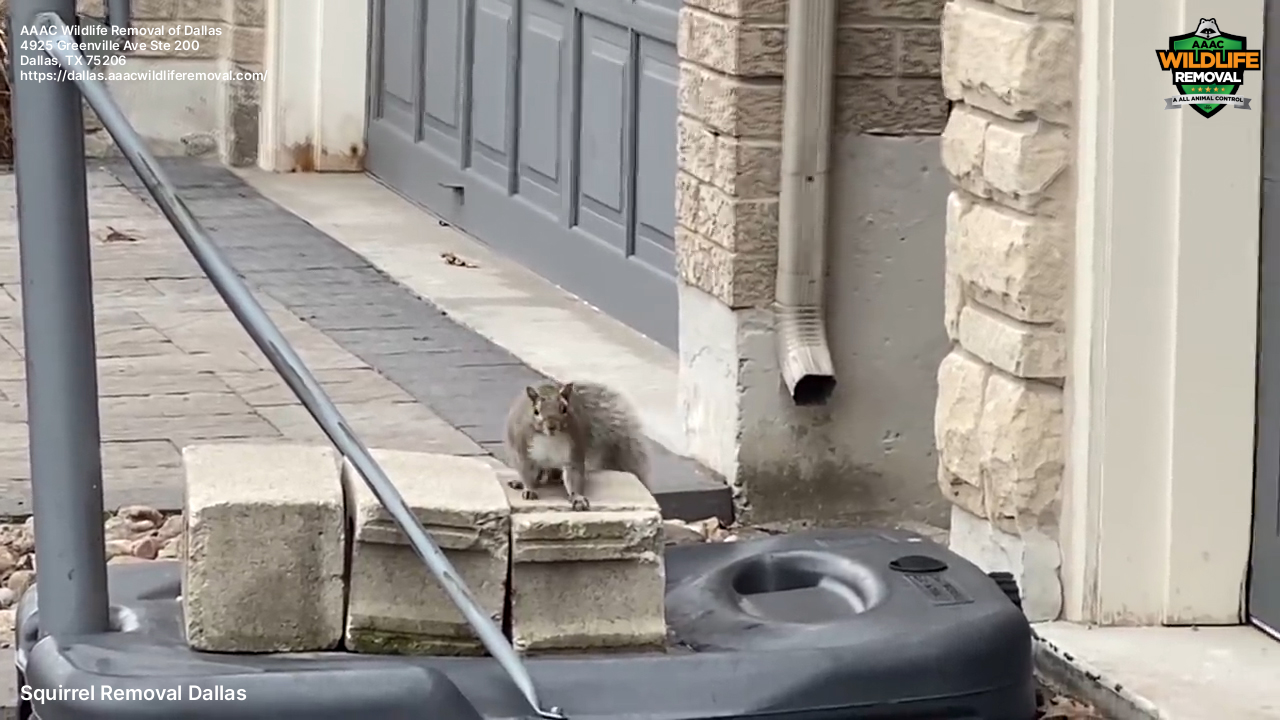

The industry uses a range of terms. A wildlife trapper is the person performing the work in the field. Wildlife exclusion refers to sealing structures and modifying habitat so animals cannot enter. You will see ads for a wildlife exterminator. Be cautious with anyone leaning on that label. Extermination implies lethal control as the default tool, which is rarely necessary for species living in and around human structures. There are edge cases where lethal removal is required for safety or legal reasons, but for most household calls, a non-lethal plan will resolve the issue more reliably.
How animals get inside, and how pros find the real entry
After twenty years of crawling through attics and underneath decks, my rule of thumb is simple: animals follow air, food, and cover. If you can feel outside air drafting through a joint, smell open garbage from the yard, or see dense vegetation touching a building, wildlife can find that path faster than you.
Good inspections start outside. You look for discolored streaks (rub marks) at roof transitions, greasy smudges around vents, pulled insulation, and hair caught on nail points. On roofs, lifted shingles along ridge vents and chew marks at pipe boots tell you that squirrels have been honing their teeth. Along the foundation, gaps in the sill plate, warped crawlspace doors, and eroded soil at slab penetrations invite rats and mice. A thumb-sized opening is big enough for a mouse, two fingers for a rat. Starlings need a two inch gap. Raccoons can reach and pry with surprising strength, which is why flimsy gable vent screens fail so often.
Inside, listen more than you look. Squirrels move in daylight and sound quick and deliberate, like a child running. Rats and mice work from dusk through night and make a lighter, skittering noise. Raccoons have weight, you hear thumps and slow pacing after dark. Bats make a dry chittering and leave crumbly droppings beneath roost lines. An experienced wildlife trapper can often identify the species in two minutes from sounds, droppings, and tracks, then confirm with camera footage.
The most important detail: the obvious hole is not always the main entrance. I have seen homeowners patch a soffit where a squirrel was seen, only to leave a hidden gap in a dormer return that allowed continued access. A careful technician maps every opening larger than a dime, then decides which ones to seal immediately and which to leave as a controlled exit.
Timelines, seasons, and why some jobs must wait
Ethical work respects breeding seasons. In my region, raccoons den with kits in attics from February through May. Squirrels have two birthing windows, late winter and late summer. Bats have maternity colonies from late spring through early fall. During those periods, full exclusion is risky unless you can verify no dependent young are present. If you seal a mother out, you create a welfare problem and a property problem. Expect extra steps during these times, including thermal imaging, careful attic searches, and sometimes delaying the final seal by a week or two.
Weather matters too. Metal flashing adheres poorly to wet or icy substrates. Some sealants cure slowly in cold temperatures. If you need one-way doors installed for a bat eviction, you plan for a run of dry days so the colony does not re-enter through another weakness. Timelines are not excuses, they are guardrails. Any wildlife control plan that ignores season and weather is more likely to fail.
Exclusion, not extermination: the backbone of lasting solutions
Wildlife exclusion is the boring part until you see the effectiveness. It turns a structure from an easy target into a fortress. Think of exclusion as three layers.
The first layer is the envelope. Seal all gaps around the roofline, eaves, soffits, and fascia. Replace brittle vinyl vent covers with 16 gauge galvanized screens fastened with screws, not staples. Fit custom metal covers over roof vents that lock under shingles. Cap chimneys with properly sized stainless steel cages that allow draft but block entry. Bridge gaps at ridge vents with pest-proof covers rated for high wind.
The second layer is the foundation. Install kick plates over bottom corners of garage doors where rodents chew. Bolt rodent-proof grates over crawlspace vents. Where utilities penetrate concrete, pack the void with copper mesh then cover with a bonded sealant. If a deck sits within six inches of grade, install an L-shaped dig barrier of hardware cloth, buried and bent outward, so skunks and groundhogs cannot burrow under.
The third layer is habitat modification. Thin back shrubs so nothing touches the building. Strap down trash cans and use tight lids. Feed pets indoors. Manage bird seed spillage with trays. Fix drainage issues that create damp crawlspaces that attract insects, then the predators that feed on them.
When you do this right, trapping becomes the exception. I have completed rat jobs in historic homes with zero traps, simply by sealing every entry and reducing food access. The population outside persisted, but the building was no longer an option.
One-way devices: the clean exit that keeps everyone safe
A one-way exit device is the engineer’s answer to a revolving door. It lets animals leave but not return. The shape and tension vary by species. For squirrels, a spring-loaded flap mounted over the primary hole works. You frame a wire tunnel that funnels them through, then add a weighted door at the end. Raccoons require heavier gauge material and solid attachments, since they test with hands, teeth, and determination. For bats, you do not use flaps at all. You hang netting or install tubes that allow downward exit at dusk, with no edge for them to grip for re-entry.
The trick is placement and timing. If you hang a squirrel door but leave six other dime-sized gaps open, they will slip back in. That is why pros seal every secondary opening first, then install the one-way device at the main entrance for three to five days. Trail cameras and fresh tracking dust help confirm that traffic has ceased. Only after that do you remove the device and close the final hole. If young are present, you either relocate them with the mother using a reunion box mounted outside near the exit, or you delay installation until they are mobile and can follow her out.
For rats and mice, one-way devices are less reliable because they can find or create micro-openings. Structural sealing paired with targeted trapping at the interior pressure line is usually the humane, efficient path. Poisons complicate this process, killing animals out of sight and removing the pressure that drives them to one-way exits, which leads to more interior deaths and odor.
Traps that respect animal welfare, and when to use them
When removal is required, tool selection decides whether the job is humane. For raccoons and skunks, live-catch cage traps sized correctly, baited minimally, and placed at tight runways work well. Cover the trap with a dark cloth to reduce stress. Check frequently, not just daily. In heat, animals can dehydrate quickly. Winter brings different risks, like hypothermia on cold metal. Species identification is essential, because relocation rules vary by jurisdiction and by species.
Squirrels respond to specialized multi-catch traps mounted directly over holes. That method reduces non-target captures and speeds the process. For rats and mice, quick-kill snap traps with large strike bars and secure placements are the most humane lethal option when removal cannot be avoided. Glue boards are indiscriminate and inhumane, and they create long suffering. I do not use them, and many states restrict or discourage them for good reason.
Release strategies depend on local law and animal health. In many places, transporting wildlife is illegal because it spreads disease and stresses animals. The more ethical approach, when allowed, is to use on-site release through one-way devices after exclusion. When lethal removal is required for rodent infestations, containment and carcass retrieval plans should be part of the contract so nothing decays in inaccessible voids.
Health and safety: rabies, histoplasmosis, and what PPE really means
Ethical does not mean naïve. Several species carry diseases that can harm people and pets. Bats are a rabies vector species. The vast majority are healthy, but any bat found in a room with a sleeping person deserves caution and a call to local health authorities. Raccoon latrines contain roundworm eggs that can remain viable for years in soil. Disturbing piles without proper respirators and dampening techniques can aerosolize risk. Pigeons and starlings can harbor pathogens in droppings, including histoplasma fungi, especially in enclosed, dusty spaces.
Professionals wear gloves that animals cannot bite through, use P100 respirators when cleaning droppings, and decontaminate tools. They also plan routes to carry live-caught animals safely with minimal contact and stress. If a wildlife trapper arrives in shorts and a T-shirt with a can of spray foam, keep looking.
Clean-up and restoration, the overlooked half of the project
Once the animals are out and the building is sealed, the work is only half over. Droppings, urine, and nesting material remain. I have seen roof sheathing rot from long-term raccoon denning, and attic insulation soak up enough urine to double in weight and hold odor forever. A proper wildlife control job includes debris removal, targeted disinfecting, odor neutralization, and insulation restoration to pre-incident R-values. For bat colonies, guano clean-up demands careful containment to avoid contaminating living spaces below. For rats in crawlspaces, you fix moisture problems and ground vapor barriers, or the smell returns.
Restoration is where budget decisions show consequences. Skipping remediation might save money now but set you up for lingering odors and attractant cues that call the next wave of animals. If cost is a barrier, ask the company to prioritize health hazards first, then plan the rest in phases.
Bait and poisons: why “easy” often becomes expensive
Rodenticides are marketed as a quick fix. They are not. Poisoned rodents rarely die where you want them to. They tend to retreat to secure spaces, often inside walls or under floors, and decomposition follows. Secondary poisoning can harm pets and raptors. Baits can also mask the real problem by killing animals without closing entry points, inviting a new cohort to replace the old. I have lost count of calls where months of baiting by a “wildlife exterminator” produced dead rats and a smelly house, yet left gaps unsealed and a steady food source untouched.
There are limited circumstances where bait work is defensible, such as large agricultural settings where exclusion is structurally impossible in the short term. Even then, it should be integrated with structural defenses and habitat changes, not treated as a stand-alone cure.
Costs, warranties, and how to vet a contractor
Pricing varies by region and complexity. As a rough guide, attic squirrel exclusion on a typical single-family home runs from a few hundred dollars for minor sealing and a one-way door to several thousand when roofs are complex and multiple dormers need fabrication. Raccoon den removal with baby recovery and heavy-gauge screening can cost more because of the materials and risk. Bat exclusions are methodical and time-consuming, often spreading over several visits and reaching into the low to mid four figures, especially when cleanup is included. Rat-proofing a home with a basement and attached garage can take ten to thirty labor hours, plus materials, with follow-up visits to monitor traps.
A reputable company carries liability insurance, uses written contracts, and offers a warranty on exclusion, not just on trapping. A one-year renewable guarantee that covers re-entry at sealed points is common. Beware of warranties that only cover trap resets without new sealing. Ask for species-specific plans, not boilerplate. If the solution is “set traps and see,” you will likely be funding a subscription, not a fix.
Legal frameworks and humane requirements
Wildlife laws differ by state and province, and your contractor should know them. Many areas prohibit relocating certain species or require euthanasia for particular captures. Bat exclusions are often regulated by season to protect maternity colonies. Bird species like pigeons, starlings, and house sparrows are not protected under the same federal rules that cover native songbirds, but that does not mean anything goes. Local ordinances can modify what is legal for nesting removal or deterrence. If your wildlife control plan calls for actions that sound aggressive, ask for the legal citations. Good operators are comfortable explaining the regulatory landscape.
A few real-world scenarios and the choices that matter
A homeowner calls about scratching at dawn. The attic is hot, June sun beating down, and we find bat staining along a ridge. A careless operator might set traps or plug holes. The ethical approach is different. We map every gap along the roofline, install one-way tubes at key exits, and seal everything else. We wait through two clear nights, watch the colony stream out on camera, then remove devices and close. We return in late summer, after pups can fly, to confirm no re-entry. Net result: zero dead bats, no odor, and a sealed structure.
Another case: a townhouse end unit with rats using a party wall chase. The owners had been paying a monthly fee for bait stations for a year. The smell in the powder room was relentless. We found a gap behind the gas line, an unsealed slab penetration in the garage, and a missing escutcheon around a pipe under the kitchen sink. We sealed all penetrations with copper mesh and urethane, replaced door sweeps with brush seals, and set twelve snap traps inside secure stations along travel routes for ten days. Catches dropped to zero by day six, and we removed all traps, leaving monitoring only. A year later, no recurrence. Total cost was less than six months of their subscription.
A final one: raccoon in the attic in March, kits audible in a knee wall. We cut an access, gloved up, and gently transferred the kits to a heated reunion box mounted near the original entry. We installed a heavy one-way door at the hole and sealed all other roofline gaps. That night, the mother moved the kits from the box to a natural den nearby. We closed the last hole the next morning. No chasing, no damage, and a very motivated mother raccoon who never felt cornered inside a house.
DIY boundaries: what homeowners can safely do
There is plenty a homeowner can handle without risking harm to wildlife or themselves. You can secure trash, trim vegetation, install chimney caps rated for your flue size, and replace flimsy vent covers with pest-resistant versions. Seal gaps you can reach safely with appropriate materials, not just foam. Foam is a draft stopper, not an animal barrier. Pair it with copper mesh or sheet metal as needed. If you suspect bats or find a raccoon latrine, that is the point to call a pro. Likewise if noises suggest a large animal or if droppings are heavy and old. A good wildlife trapper will give frank advice over the phone, including when to wait, when to act, and how to bridge the gap.
Ethical options at a glance
- Prioritize exclusion and one-way exits, reserve trapping for cases where it is necessary or legally required. Match methods to species, season, and structure, not a generic recipe. Avoid poisons in homes and small businesses, focus on sealing and habitat changes. Clean and restore after removal to eliminate health risks and odor cues. Choose operators who warranty their sealing work and can explain laws and timelines.
The trade-offs behind humane decisions
Humane methods sometimes require patience. Waiting a week for kits to become mobile can feel frustrating when you want silence tonight. Installing custom vent covers costs more up front than a can of foam. But quick fixes rarely last. Ethical removal treats the cause, keeps families intact when possible, and respects local ecosystems. It also lowers your total cost of ownership. A house that animals cannot enter will stay quieter, cleaner, and less prone to secondary damage like chewed wiring or contaminated insulation.
The other trade-off is visibility. Trapping produces a captured animal you can see, which can feel like progress. Exclusion feels abstract at first, a series of metal edges and sealed joints. The first quiet night after the one-way door comes off changes that. Good wildlife control is more carpentry and building science than hunting, more planning than bravado.
When the situation does call for decisive action
There are outliers. A bat in a nursery overnight calls for public health guidance. A rabid-acting skunk circling in daylight in a schoolyard is not a candidate for relocation. An invasive bird species nesting in a commercial vent that powers critical equipment may need rapid removal before a safety hazard occurs. Ethical does not mean permissive. It means using the minimum force necessary to achieve a safe outcome, documenting the reasons, and closing the loop so the event does not repeat.
Final advice for homeowners and property managers
Choose professionals who lead with inspection and exclusion. Ask them to walk you through the entry points and the plan to close them. Ask how they will handle young if present, and what their timeline looks like based on the calendar. Request before-and-after photos of seals and screens, not just of trapped animals. Get clarity on warranties and on the cleanup scope. If you hear heavy emphasis on “baiting” or vague phrases like “we’ll monitor,” press for details.
Humane wildlife removal is not a niche ideology. It is the proven path to fewer callbacks, healthier buildings, and better neighborly relations with the wild animals that live around us. The work rewards patience and precision. Done right, it protects homes without turning them into battlefields, and it keeps the animals moving along to the next tree, culvert, or hollow log, instead of into the walls.