Wildlife problems tend to arrive quietly, then all at once. One week you hear a faint shuffle over the ceiling at dusk, the next you are sweeping raccoon droppings off the deck and wondering if your attic insulation is ruined. When people search for help, they often run into a tangle of myths that blur the line between pests and protected wildlife, between lawful wildlife control and shortcuts that create bigger problems. I have worked jobs where a “quick fix” cost a homeowner another winter of damage. I have also walked into attics where the most responsible route was the least flashy: take out the nest, use a hands-off wildlife exclusion strategy, and return twice to verify it worked.
Let’s sort fact from folklore, with an eye toward what actually solves the problem, keeps people safe, and treats wild animals humanely.
Why words matter: extermination versus control
The word exterminator conjures a one-size-fits-all approach, the way you might treat cockroaches. Wildlife does not fit that model. In most states and provinces, animals like raccoons, squirrels, skunks, bats, and certain birds enjoy specific protections. Rules vary by jurisdiction, but the general principle holds: wildlife removal is regulated because many species are migratory, native, or ecologically important. Even where lethal control is allowed, it is usually constrained by season, method, and purpose.
A wildlife trapper who understands the law will talk less about extermination and more about control and prevention. They focus on structural changes, habitat tweaks, and behavior patterns, not just the animal you happen to see today. When a client asks me to “exterminate” a family of raccoons, I explain two things. First, killing adults rarely stops damage if the entry hole remains. Another animal will move in. Second, we may be dealing with dependent kits. If you remove the mother without finding and relocating the young, they will starve in place, which is both inhumane and illegal in many areas.
Language matters because it signals intent. Look for professionals who use terms like wildlife removal when there is a specific, compliant action to take, and wildlife exclusion when the fix is primarily sealing, screening, and modifying the structure so the problem does not come back.
Myth: “If I don’t see animals during the day, they’re gone”
Nocturnal and crepuscular habits fool people. Squirrels run at dawn and midafternoon, raccoons prefer late evening, skunks drift after dark, and bats peak at dusk. If you check the attic at noon, you might find a quiet space and assume the job fixed itself. In reality, most infestations reveal themselves through indirect signs: droppings, rub marks on siding, pulled insulation, distinct odors from urine or musk, or faint vocalizations of pups or kits. I have followed a faint ticking noise across a ceiling and discovered a long squirrel runway cut through insulation right along the soffit. The homeowner had slept under it for weeks, convinced the animals had moved out.
Assume activity until proven otherwise. That means looking for fresh tracks in dust, measuring moisture changes in wood near entry points, or setting up a camera for a few nights. Professionals often deploy fluorescent dust or small flags on entry gaps to confirm which holes are active. A good wildlife trapper does not guess. They verify before sealing.
Myth: “Mothballs, ammonia, or loud music will drive them out”
I have found entire attics powdered with mothballs. The smell can be brutal. It is also ineffective. Naphthalene concentrations needed to repel mammals would exceed levels that are safe for people. Ammonia in cups or soaked rags evaporates quickly and won’t overcome the draw of shelter and pups. As for loud music or strobe lights, animals habituate fast. You might push them into a soffit cavity for a night, then they slide back.
Repellents have limited, situational use. A mother raccoon with kits will not abandon them because the radio is on. She will prioritize shelter over discomfort. The responsible approach is to combine gentle harassment with structural access control and, when necessary, hands-on removal of young. One winter in a lakeside neighborhood, a client blasted classic rock into the attic for a week. The raccoon shifted between rafters and chewed a second exit. We eventually lifted two kits and reunited them with the mother outside the home, then sealed and screened the eaves properly. The music bought us nothing.
Myth: “Relocation solves the problem, and it’s kinder”
This one is tricky. People want to avoid lethal outcomes, and relocation sounds compassionate. It often is not. Adult animals, moved far from their home range, face high mortality. Finding shelter and food in an unfamiliar area, avoiding established territories, and dodging roads takes a toll. Relocation can also spread disease if done indiscriminately. Many jurisdictions limit relocation distance to a few miles or prohibit it outright. Some require euthanasia for certain high-risk species, such as skunks or foxes, depending on rabies protocols.
There is a more humane model: evict without displacing. Exclusion aligns with the animal’s life cycle so that you encourage the animal to leave and then prevent reentry. Where young are present, a wildlife control professional will remove them carefully, place them in a reunion box just outside the entry, and allow the mother to relocate them to an alternate den, which she often has. This is legal in many areas and gives the animals a real chance. It also solves the homeowner’s problem without the false comfort of relocation.
Myth: “One-way doors work any time of year”
One-way doors are a staple of wildlife exclusion. They let animals leave, but not return. Fit them correctly over the entry, verify all other gaps are sealed, and you can clear a squirrel infestation in a few days. But timing matters. During baby season, a one-way door installed without checking for dependent young will separate mothers from their offspring. The result is frantic chewing, secondary openings, and a stench from decomposing young. Baby seasons vary by species and latitude. In many regions, squirrels have two peaks, early spring and late summer. Raccoons often den in spring. Bats form maternity colonies in summer and are protected from exclusion during certain weeks when pups cannot fly.
Professionals adjust calendars to biology. If it is the wrong window for a one-way door, we either delay, manage the situation in place, or remove and reunite the young. In practice, that can mean a single extra visit to inspect for kits, or a week of monitoring before closing the last opening. The extra time is worth it.
Myth: “You can just seal the hole and be done with it”
A raccoon can rip cedar shingles like cardboard if she wants back to her young. A squirrel will chew through fresh caulk in an afternoon. Sealing without understanding the extent of use, number of animals, and alternate routes will not hold. The right approach involves mapping the structure. Think like an animal: rooflines, soffit gaps, gable vents, ridge vents, chimneys, utility penetrations, warped fascia, dryer vents, crawlspace lattice. Then layer defenses.
Hardware cloth, galvanized flashing, proper fasteners, and UV-stable sealants form the backbone of wildlife exclusion. On roofs, you want to anchor screens into wood, not just shingles. On vents, use a gauge that resists chewing. For bats, gaps as small as a half-inch demand attention. After sealing, monitor. I prefer to revisit at dusk or use a camera to confirm no animals are trapped. If I notice fresh rub marks around an unsealed joint, I reopen, reassess, and adjust. It is slower than a quick patch, but it sticks.
Myth: “Bats are dangerous, so remove them immediately”
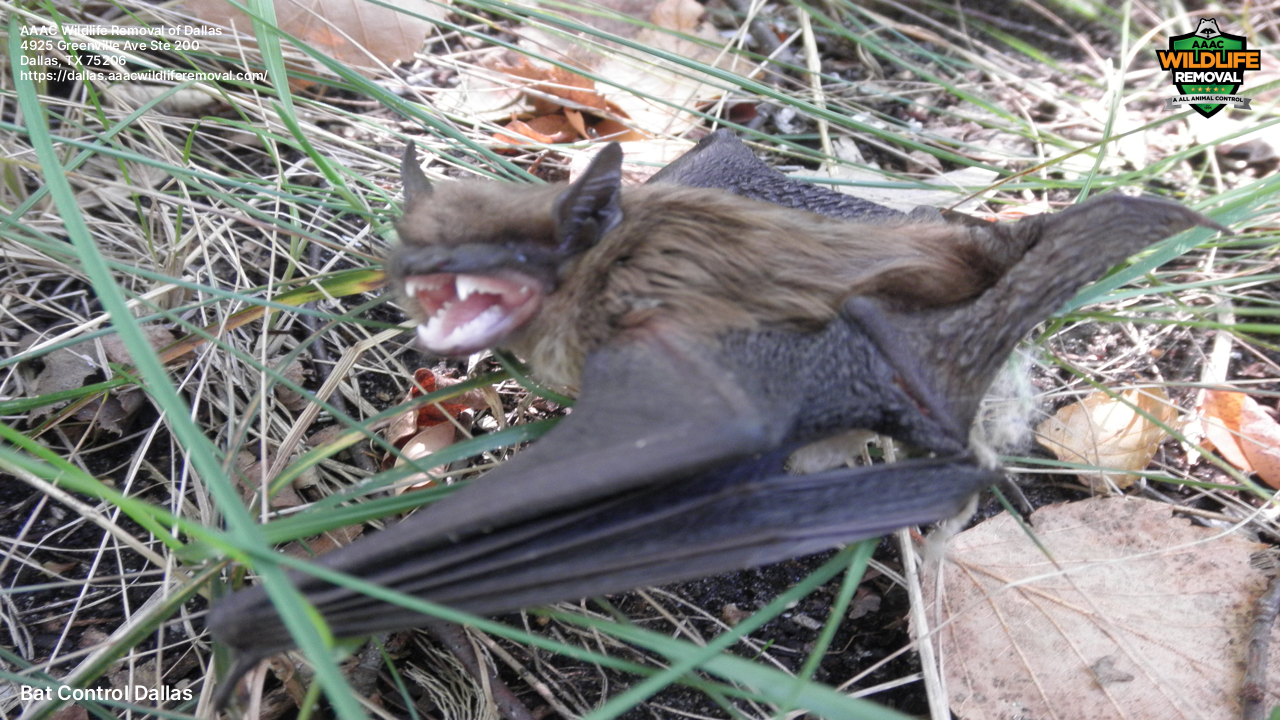
Bats get a bad reputation. Yes, any wild mammal can carry rabies, and a bat found in a living space with a sleeping person or pet warrants immediate attention and possibly testing. But colonies in attics or walls, living above the thermal layer, are not emergencies that justify hasty action. In many regions, bats are protected, and exclusion is only legal outside the maternity season. You must never trap bats inside by sealing holes indiscriminately. That creates indoor bat events and raises risk.
A measured bat eviction plan includes a full perimeter seal except for designated exits fitted with bat valves. The valves stay in place long enough to let all bats leave over several nights. Only then do you remove and close the last devices. Guano cleanup and sanitation may follow, with proper PPE and containment. Done properly, you reduce risk to people and preserve an important insect predator.
Myth: “Poison is faster and cheaper for squirrels or raccoons”
Rodenticides cause suffering, secondary poisoning of non-target wildlife, and terrible odors when animals die in voids. Poisons labeled for commensal rodents are not legal or appropriate for wildlife like squirrels or raccoons, and misuse can bring fines or worse. Even where lethal methods are permitted, they rarely fix building vulnerabilities. I visited a duplex where someone tossed a toxic bait into a soffit. The squirrels died inside the wall, and the smell ran the length of the staircase for two weeks. We still had to remove the bodies and open sections of drywall, which tripled the cost.
If you want speed, combine targeted trapping with same-day repairs and one-way devices where appropriate. It is more work up front and requires a licensed wildlife trapper, but you end up with a sealed structure and no lingering hazards.
Myth: “Any handyman can do wildlife work”
A capable handyman can patch a hole, but wildlife control mixes construction with behavior science and law. You need to know a raccoon’s pull strength versus the fasteners you choose, the chewing pressure a squirrel can exert on aluminum, the different signatures of rat versus bat droppings, and how heat cycles in an attic affect animal movement. You also need to recognize when a sound is a mother vocalizing to pups and when it is normal thermal expansion.
Training matters. Many states require nuisance wildlife control operator permits. Quality operators track local ordinances, rabies vector protocols, and seasonal restrictions. They carry insurance for rooftop work, which is non-negotiable in my book. When something goes sideways on a steep roof, everyone’s glad the company didn’t treat it like hanging Christmas lights.
What works and why: a practical framework
Successful wildlife removal follows a pattern, but not a template. The structure dictates the plan. A ranch home with continuous soffits is one thing, a century-old Victorian with ornamental eaves and stacked voids is another. Here is how I approach most calls.
First, I interview the client, listening for timing and patterns. Footsteps around dusk point to squirrels. Heavy thumps at midnight suggest raccoon. Fluttering is bats or birds. Scratching in a wall that rises with the heating cycle might be https://franciscoockb259.theburnward.com/preparing-for-baby-season-spring-wildlife-control-tips mice using a chase.
Second, I inspect exterior and interior. I climb the roof if safe, photograph every suspect area, and test the firmness of wood at corners where gutters overflow. Inside, I look for stains on the ceiling envelope, gaps at the top plates, and signs of nesting. A flashlight and mirror do more than any gadget.
Third, I map entry points and select a strategy: exclusion, trapping, or a hybrid. If young are likely, I plan around them. For bats, I schedule by calendar and temperature. I explain to the client what will happen in the evenings, what they might hear, and how we will verify success.
Fourth, I execute the plan with attention to detail. Screens are cut tight. Edges are hemmed to resist pulling. Sealants bridge materials with different thermal expansion. One-way devices are sized to species. Traps are set on roof runways or, for skunks, on dedicated guides that minimize spray risk.
Fifth, I follow up. Return visits catch what the first pass missed. I have saved more callbacks with one ten-minute dusk check than any amount of wishful thinking.
Damage, disease, and real risk
Homeowners often swing between panic and denial. Both miss the real risks, which are specific and manageable. Raccoon latrines can carry roundworm eggs that survive in soil for years. Bat guano accumulations can support fungal growth under certain conditions. Squirrels chew wiring, and while fires from this are uncommon, the risk is not zero. Skunks spray, and that oil can permeate building materials.
At the same time, bites and disease transmission are rare when you do not handle animals. The biggest dangers I see are falls from ladders, heat stress in attics, and dust exposure without respiratory protection. A professional brings PPE, containment methods for droppings, and tools that keep hands away from bites. The goal is simple: remove the hazard efficiently, protect the occupants, and avoid creating new ones.
When wildlife removal becomes remodeling
Sometimes the right answer is to fix the building in a way that would make a framer proud. Rotting fascia behind a gutter invites squirrels. A flapping ridge vent calls birds like a neon sign. If you exclude without addressing the underlying issue, you will see me again next year.
I consulted on a lakefront home with cedar shakes and charming but loose soffit boards. The owner had cycled through three service calls with one-way doors. Each time, a new opening appeared. We finally re-trimmed thirty linear feet of soffit, installed continuous hidden venting with steel mesh backing, replaced the ridge with a rigid vent system, and flashed two awkward roof-to-wall joints that had collected debris. The wildlife exclusion was a single line item on a broader repair. That house has stayed quiet for four seasons.
The role of scent, habit, and patience
Animals navigate by smell and memory. If you leave the pheromone-rich nest intact, you risk drawing another animal later. That is why cleanup matters, even if it is not glamorous. Removing soiled insulation, disinfecting contact surfaces, and deodorizing reduce re-infestation pressure. It also prevents lingering odors that make homeowners think animals are still present when the space is simply off-gassing.
Patience matters too. A squirrel that has chewed into your attic is used to running a particular route. If you seal all but one pathway and add a one-way door, give it a few days and watch. If, after three nights, you still hear activity, revisit your seal. I once chased a “phantom” squirrel for a week before finding a pencil-sized gap where the downspout met a wavy fascia. The animal was slipping past my heavy defenses through the quietest seam on the house.
Choosing a wildlife control professional
You have options. Prices vary by market, but the cheapest bid often reflects less time on inspection or weaker materials. Ask practical questions.
- What species do you suspect, and why? A pro should point to evidence, not gut feel. Where are all potential entries, and which are active? Expect photos, not guesses. What is your plan during baby season? Look for a clear, humane protocol. What materials will you use for wildlife exclusion? Hardware cloth gauge, fastener type, sealant brand all matter more than slogans. How will you verify the work? Follow-up visits, cameras, or at least a dusk watch should be included.
A good company stands behind the work with a warranty on the exclusion, not on “animal-free status,” which no one can promise if the structure changes. Warranties that exclude chewing or storm damage should be stated plainly. The outfit should carry liability insurance and, if they climb, workers’ compensation. If they suggest poison for non-rodent wildlife, move on.
Homeowner tactics that truly help
People often ask what they can do before they call. There are modest, safe steps that make a difference. Keep lids on outdoor bins tight and clean. Remove fallen fruit from yards. Feed pets indoors. Trim back branches that hang over the roof, but do not get on a ladder if you are not comfortable. Fix persistent gutter overflows, since saturated wood invites teeth. Secure crawlspace doors. Install a chimney cap rated for wildlife.
If you feel handy, you can screen low-risk gaps near ground level with quarter-inch hardware cloth, but do not seal an active entry point without confirming animals are out. If you want to check safely, sprinkle flour around the gap at dusk and look for footprints before dawn. Fresh tracks tell you the story.
The economics of doing it right
I see the sticker shock when I propose a thorough exclusion. Materials might run modestly, but the value is in the diagnosis and the time on the roof. Compare that with damage. Insulation replacement can run into thousands of dollars for a medium attic. Electrical troubleshooting after chew damage is open-ended. Guano remediation, if extensive, requires specialized labor and containment.
A fair wildlife removal proposal prices the whole solution, not a trap rental. If a company charges per animal, ask how they handle the ones you cannot see. I prefer a project rate with clear scope: initial removal, sealing and screening of identified entries, installation of one-way devices if appropriate, removal of devices, and one or two follow-ups. Add-ons like insulation repair or droppings cleanup are separate and optional, but I explain the risks of skipping them.
Edge cases and judgment calls
Not every job permits clean rules. In extreme cold, evicting squirrels can be more dangerous for them than delaying a few days. In a multi-unit building with party walls, a one-way door can push animals into the neighbor’s attic unless coordinated. On historic structures, visible screening may be barred by design guidelines, so solutions have to hide behind trim. Sometimes the fastest fix is not the wisest if it risks damage or liability. Part of professional wildlife control is saying no to a tactic that would get you out of the driveway sooner but create problems for the client or the animals.
I once turned down a request to close an active bat entry two days before a storm because the client insisted on immediate action. We scheduled the exclusion for the legal window a few weeks later, and I set interim measures to minimize indoor contact. It was the right call. The storm would have forced bats back toward the living space with nowhere to exit.
What a quiet house feels like
The best moment in this line of work is the call a week later. No footsteps above the nursery at midnight. No new droppings on the deck. No flies hatching from hidden carcasses because there are none. A sound house is not about silence in the poetic sense. It is about a roof system that resists prying hands, a vent line that breathes without inviting guests, and a homeowner who understands why a little maintenance beats a crisis.
Wildlife will keep testing our structures. That is not a sign of failure. It is the natural world doing what it does. Our job is not to wage war. It is to set boundaries that hold, to choose wildlife exclusion over spectacle, and to respect the animals we move along. Forget the mythology of the wildlife exterminator who clears a property with a spray can and a promise. The real craft is patient, lawful, and durable. It uses evidence instead of fear, and it leaves your home better than it found it.